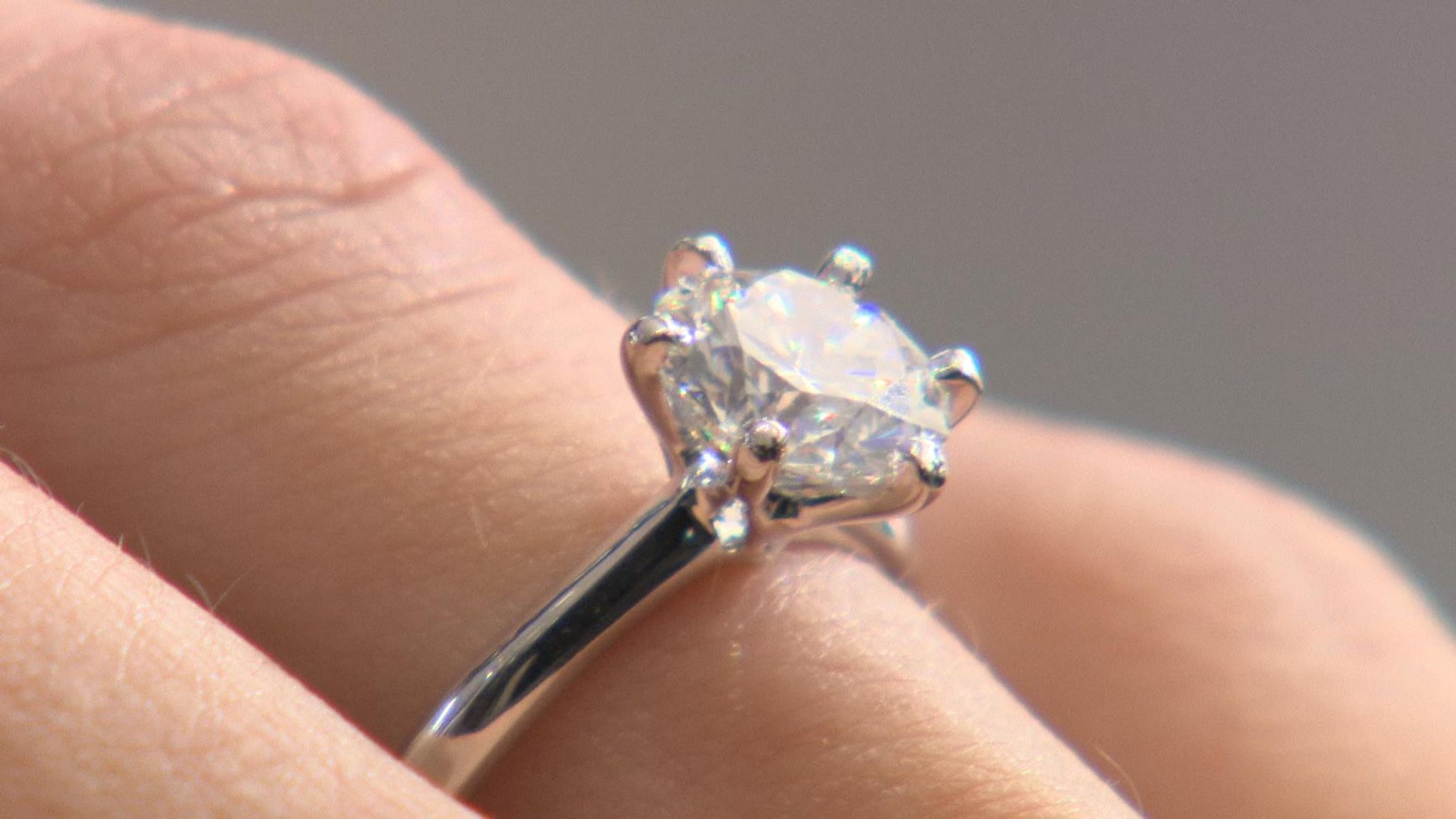
Lab created diamonds have taken the jewelry world by storm. They are real diamonds—same chemical structure, same sparkle—but without the ethical and environmental baggage of mined stones. When shopping, however, you might feel overwhelmed by the terms CVD vs HPHT lab created diamonds. Let’s break it down in a simple, human way.
What Are Lab Created Diamonds?
First off, lab created diamonds are the real deal. They aren’t simulants like cubic zirconia. Chemically and physically, they’re identical to mined diamonds. The main difference lies in how they are made. This is where CVD and HPHT methods come into play. Both produce diamonds layer by layer, but their approaches differ significantly. While CVD is modern and precise, HPHT mimics nature’s brute force method to form diamonds.
HPHT Diamonds: The Traditional Approach
HPHT stands for High Pressure, High Temperature, and it’s exactly what it sounds like. This method recreates the extreme conditions found deep inside the Earth. A tiny diamond seed is placed in a pressurized, high-temperature chamber, and carbon atoms gradually form around it to grow a diamond. This process is fast, reliable, and produces diamonds with excellent clarity and color. To be honest, HPHT diamonds are the tried-and-true method, and jewelers have been using it for decades. The downside? Metallic traces or slight color tints can appear in lower-quality diamonds, though most buyers won’t notice without magnification.
CVD Diamonds: The Modern Contender
CVD stands for Chemical Vapor Deposition, and it’s the newer, more precise method for creating diamonds. The process involves placing a diamond seed in a chamber filled with carbon-rich gas. The gas is heated, and carbon atoms deposit layer by layer onto the seed until a diamond forms. This method gives jewelers better control over clarity, size, and shape. CVD diamonds often have fewer inclusions and are ideal for larger stones. However, they can sometimes develop strain lines or slight color tints that are usually corrected post-growth. The point is, CVD diamonds are finesse-driven, while HPHT diamonds are more about brute force.
Comparing CVD and HPHT: Key Differences
Let’s break it down honestly. Visually, most people won’t see a difference between CVD and HPHT diamonds. Both sparkle brilliantly and feel the same to the touch. Where they differ is in color, clarity, and sometimes size potential. HPHT diamonds naturally achieve higher color grades, while CVD diamonds often excel in clarity. Price-wise, the method matters less than the usual suspects: cut, carat, color, and clarity. Neither method is inherently “cheaper.” Ethics? Both win hands down compared to mined diamonds, so your choice won’t compromise your values.
Why Certification Matters More Than Method
Here’s a crucial tip: focus on certification, not just method. A GIA or IGI report gives you the full story—growth method, treatments, and quality grades. Knowing your diamond is certified protects you more than worrying over whether it’s CVD or HPHT. Honestly, this is the step most casual buyers overlook, and it makes all the difference when you want peace of mind.
Which Diamond Should You Choose?
There’s no universal “best” between CVD vs HPHT lab created diamonds. It’s about what matters most to you. Choose HPHT if you prefer naturally high-color stones or the traditional approach. Choose CVD if clarity, size, and modern production matter more. Or simply pick the one that catches your eye. After all, diamonds are meant to make you smile the moment you see them, not stress over technicalities.
Final Thoughts
Let’s face it: the debate between CVD vs HPHT lab created diamonds is often overhyped. Both are real, both are beautiful, and both are ethical alternatives to mined diamonds. What really counts is quality, certification, and your personal connection to the stone. When a diamond makes you pause and smile, that’s the right one. Forget the jargon—trust your eyes, trust your heart, and enjoy the sparkle.